
Transition to electric vehicles hits bump in the road
A new report has underlined that the transition to electric vehicles (EVs) is not running smoothly, largely because EV makers cannot produce vehicles with a price and performance…
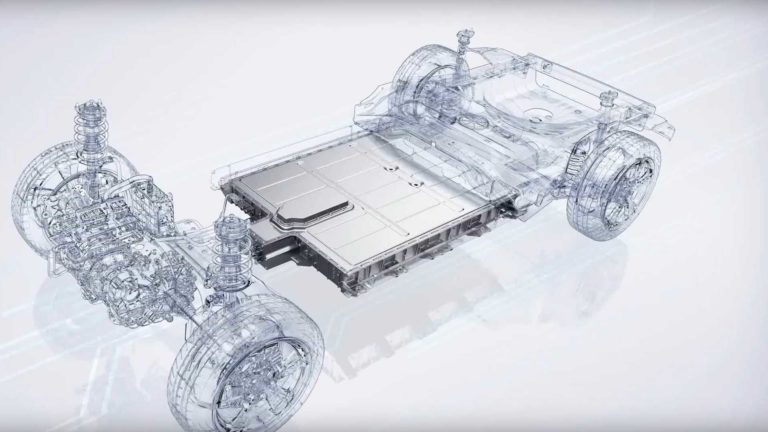
The recently published 2022 E-Mobility Report by Hexagon focuses on how EV makers can simplify designs and improve the manufacturing process. The report outlines the tools manufacturers require to gear ups towards the Glasgow Climate Pact’s goal of all new cars and vans sold being emission free by 2040, a goal that has become even more pressing with the EU's recent pledge to outlaw selling petrol and diesel cars by 2035. The report reveals the challenges facing the industry, in particular the scarcity of raw materials, the promise of smart manufacturing and Hydrogen’s role in EVs
The report was complied from data gathered from interviews with 416 respondents in the auto industry who work for original equipment manufacturers (OEMs) or Tier 1, 2 or 3 suppliers.Battery Improvements driven by scarcity
The scarcity of metals such as cobalt and lithium has created a major headache for EV production with consumer electronics producers such as Foxconn are also interested in the materials. All manufacturers use these metals for batteries but naturally car batteries require a greater amount of the metals than smaller devices such as smartphones and laptops.Historically, batteries have been the most expensive component of the average EV (and batteries are still the most expensive part of a car). Consequently, auto manufacturers have sought to address this issue by investing more in batteries than in any other component.
56 percent of respondents declared that the lack of alternatives to metals for batteries is the leading obstacle to achieving more sustainable EVs. To solve this problem, manufacturers are now looking to design batteries that can be reused, recycled and repurposed. “Hot-swappable” batteries are designed to be safely removed from and installed into an EV without shutting down the vehicle’s computer. The industry believes that such batteries might hold the key to addressing concerns about refueling speed and battery degradation. It is hoped that establishing universal, trustworthy recycling practices could create a “circular economy” of batteries, reducing the need for raw materials. The Hexagon report also adds that auto manufacturers are currently working on software and hardware to monitor battery health which they hope will be able to detect faults in batteries and predict the end of a battery’s life and thereby further reduce waste.The Importance of Smart Manufacturing
Smart manufacturing is another key solution in the drive to improving EVs, especially with consumers demanding that EV manufacturing become more sustainable. Smart manufacturing can help automakers visualize, validate and connect the parts of an EV even before the first physical prototype is built, meaning that the prototypes are as well-tested as possible and limit waste. In the report, Hexagon’s definition of “smart manufacturing” can be considered to be overly expansive but the aim of the all-inclusive approach is to remove any limitations. This all-inclusive approach encourages the understanding that when all the smart manufacturing practices are undertaken together, an auto manufacturer can reduce the amount of labor, materials and time to build an EV. Independent analysis carried out by McKinsey & Company, a management consulting firm based in New York, suggests that manufacturers could lower EV costs by $5,700 to $7,100 through design simplification alone. Despite the undoubted benefits that smart manufacturing will bring to EV production, there are barriers to achieving it. Forty percent of respondents said the concern that new platform-based designs require new manufacturing methods, machinery and training is the greatest challenge for EV development and manufacturing. Paolo Guglielmini, president of Hexagon’s Manufacturing Intelligence division, indicates that competition plays a role in improving the manufacturing process. He says, “The winners will be those that can compress development into a single, fast and efficient process so that each part is created in combination with all the others.” Achieving the full potential of smart manufacturing will require engineers with skills in:- Cybersecurity
- Machine learning (ML)
- Advanced Driver Assistance Systems (ADAS)—the systems that power autonomous vehicles
A Unique Role for Hydrogen
With automakers seeing low demand for EVs, hydrogen fuel cells may be the key to filling in the performance gaps between EVs and traditional vehicles. Several automakers, including Renault and Toyota, are seeking to design commercial hydrogen fleets for heavy-duty, long-range transport. These vehicles could demonstrate to consumers that EVs are durable and worth the investment. Among those surveyed, 55 percent said that hydrogen fuel cells are an essential component of future transport. One of the benefits of hydrogen is that it can be stored in refueling stations. This allows consumers to have 24-hour on-demand refueling independent of gas stations. The energy grid to support hydrogen production is already being built, with 320 green hydrogen production demonstration projects underway. Yet hydrogen vehicle development lags behind that of EV batteries. The process has issues related to safety, especially the risk of gas explosions, high costs, and hydrogen infrastructure. It typically costs three to five times more to produce a fuel cell EV than a battery EV. Just as with battery EVs, hydrogen-powered cars need to be slimmed down, in terms of their weight and use of materials. Smart manufacturing offers solutions for hydrogen vehicle development. Digitally simulating design, production, testing and inspection allows auto manufacturers to “bake in” safety and sustainability at every stage of production. Digital twins that predict the behavior and safety of structures such as a metal hydrogen tank allow manufacturers to understand how hydrogen-powered vehicles will behave under real-world conditions.Moving Industry Leaders Forward, Together
As automakers remain motivated to continue EV development and production, they have two areas of focus:- adopting smart manufacturing procedures
- investing in software, batteries and electronics that cut costs and improve performance
Related articles

FREYR Battery to open landmark assembly plant in Atlanta
FREYR Battery, a developer of clean, next-generation battery cell production capacity, has announced that it has chosen and…
Read More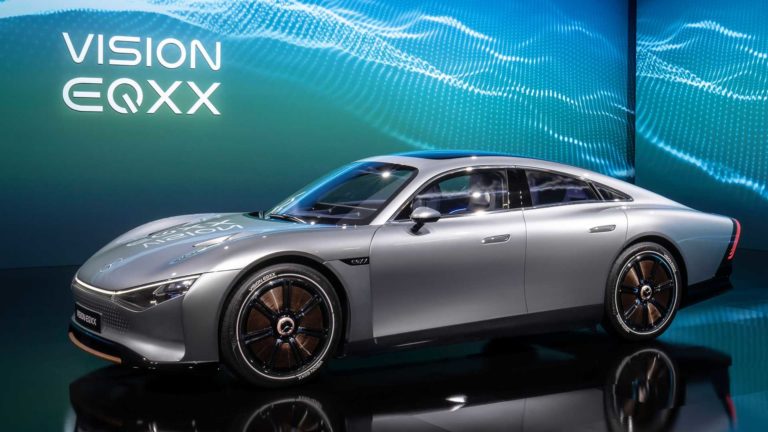
Mercedes make record-breaking continental EV run
Mercedes, the German-based automotive giant, is continuing to push itself to the forefront of electric vehicle technology with…
Read More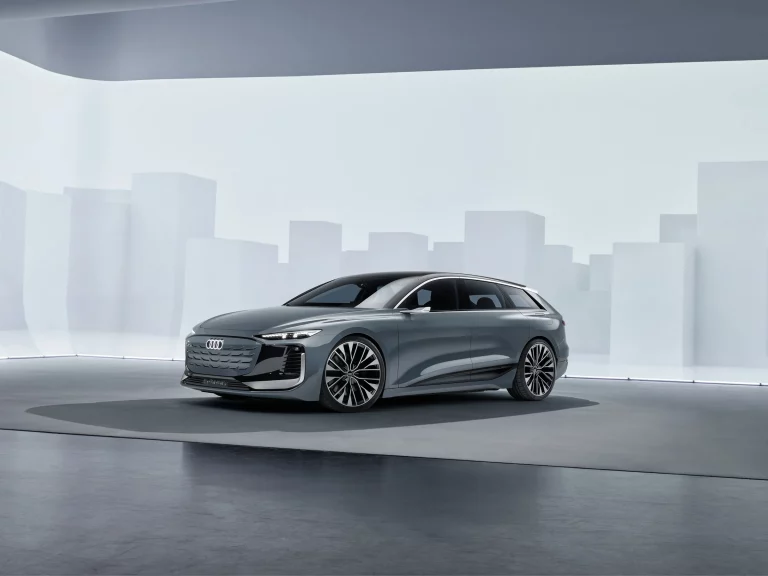
Audi to launch its first US EV plant?
Audi is the latest automobile giant to consider shifting its strategy after the historic Inflation Reduction Act passed…
Read More