
IBM leading battle against e-waste
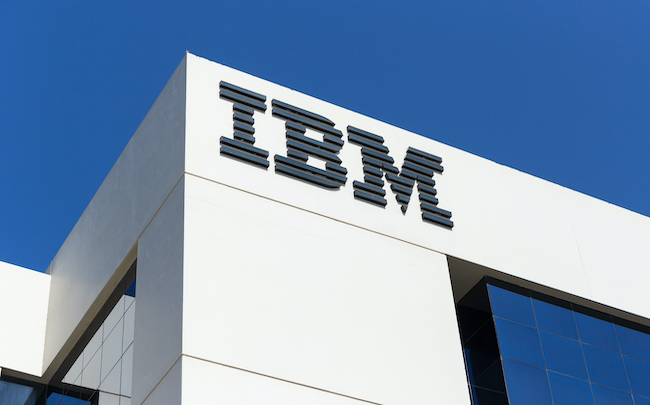
IBM, the New York-based technology giant, has recently unveiled its strategy towards combatting e-waste and how it hopes to build towards sustainable manufacturing. The company has identified e-waste…
E-waste and sustainability
As a part of its sustainability initiative, IBM is committed to delivering innovative and scalable solutions across all of the industries it is involved in, from manufacturing to food production. “When you talk about sustainability, you've got to talk about both ends,” says Anderson. “What is it that you're creating? Was it an environmentally responsible process? What is going to happen at the end of its life?” Electronic-waste (or E-waste) represents just 2% of America's landfill waste, but it equates to a whopping 70% of overall toxic waste. E-waste is the term used for discarded electrical or electronic devices and, globally, up to 50m metric tonnes of e-waste is disposed of annually. IBM is looking at how it can increase the lifecycle of its products to reduce the volume of e-waste, with data from its annual ESG report revealing that the company's goal is to limit products sent to landfill to 3%, through reusing and recycling products. In 2021, IBM reused, resold or recycled 97.7% of its end-of-life products, sending 2% to waste-to-energy plants and a final 0.3% to landfill. Anderson hopes more manufacturers will follow. “I think that, as sustainability gets more in the consumer's mind, all manufacturers will respond to these issues. Right now, the world seems to be focused on reporting ‘How good or bad are we? Who is worse than us in the same product category?’ – I call it peeling the onion: grab all the data, peel the onion, take a look at what's rotten and go fix it.” “I just think that accommodating all types of talent, however it presents itself, is something IBM's been a leader in for a long time,” says Anderson. “I think you can say that that sounds very altruistic, but I think it's also just good business as well.” There's a lot of talent out there that doesn't always show up in an expected way, and IBM has been very efficient at figuring out how to find it. Over the next 12 months, the consulting company is looking to draw in new, skilled employees and help their clients prepare for future supply chain disturbances. “I believe that the world feels like it's got its arms around these disruptions,” says Anderson. “But there's more than one, right?” The COVID-19 period caused huge supply chain disruption and havoc to the manufacturing environment, followed by Russia’s war against Ukraine and the political tensions between the US and China. “I think what's going to happen is enterprises, whether or not they are specific to manufacturing, are going to get better at dealing with disruption,” says Anderson. “You won't find them caught saying, ‘We never thought of that scenario’. When you actually bring the data in, analyse it and say, ‘If this scenario happens, this is what we do’ – have your plan backed up by facts.” Anderson believes that this will play very well into what manufacturing consultants in broader corporate functions can do to help their clients in the next year.Related articles

FREYR Battery to open landmark assembly plant in Atlanta
FREYR Battery, a developer of clean, next-generation battery cell production capacity, has announced that it has chosen and…
Read More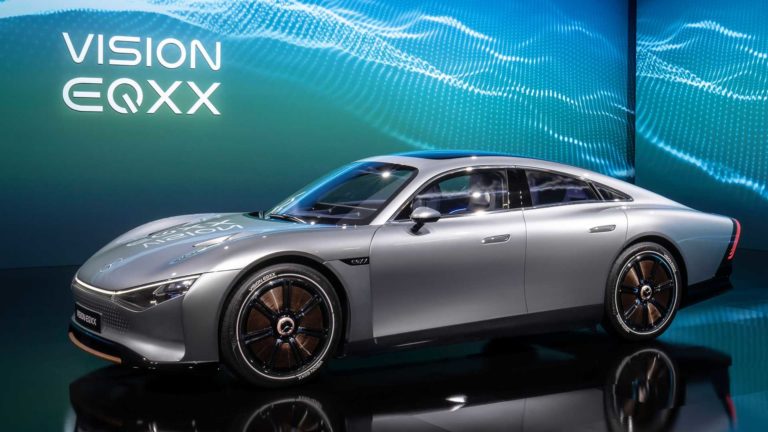
Mercedes make record-breaking continental EV run
Mercedes, the German-based automotive giant, is continuing to push itself to the forefront of electric vehicle technology with…
Read More
Audi to launch its first US EV plant?
Audi is the latest automobile giant to consider shifting its strategy after the historic Inflation Reduction Act passed…
Read More